Council on Energy, Environment and Water Integrated | International | Independent

Punjab grapples with a significant air pollution crisis yearly. The transportation sector is a major contributor to this problem, particularly in urban areas. In terms of shared mobility, historically, the cities in the state have been dependent mainly on informal modes of transport (autos/tempos). However, bus service capacity has recently been augmented in cities such as Amritsar and Ludhiana. Moreover, new vehicle technologies such as e-buses will be introduced through government schemes such as FAME and PM-E bus Sewa in Punjab cities.
As part of the PM E-bus Sewa scheme, four main cities of Punjab—Ludhiana, Amritsar, Jalandhar, and Patiala—will procure around 400 e-buses. Given this, CEEW will support the Punjab Municipal Infrastructure Development Company (PMIDC) in e-bus procurement, operations planning, and rollout in the target cities mentioned above. This support may include existing schemes (PM e-bus Sewa) and proposed state government (self-financing/NCC/GCC) initiatives such as planning and launching e-micro bus services. Thus, CEEW seeks to hire a consultant to manage key tasks with PMIDC and identified city governments of Punjab. The consultant might have to enter into a tri-party agreement between CEEW and PMIDC at a later stage.
2.1. Handholding with PMIDC and identified city government agencies of Punjab on:
2.2. Administrative support in Jalandhar
One full-time staff member will be stationed in Jalandhar to support city-level activities and coordinate regularly with neighbouring Amritsar and Ludhiana cities. As mentioned in 2.1, these cities will require technical handholding.
2.3.Other support to the CEEW team
| Output | Duration (from the day of contract signing) |
Payment terms |
|
Inception report with key steps, approach and methodology. |
2 weeks | 20% |
| Report on MRV processes and KPIs for CTUs and PMIDC to monitor bus service operations in Punjab cities1 Punjab city as template for charging infra, terminals and depots plans, BOQ, costs and specifications based on current and future requirements. | 4 months | 30% |
| Bus services operationalisation plan for 4 Punjab cities -Amritsar, Ludhiana, Jalandhar and Patiala. | 8 months | 30% |
| Memos, presentations, analysis on bus procurement, deployment, financing, charging infrastructure, route planning, MRV, etc.* |
NA | NA |
| Project closure report with MoMs, data and all submitted. documents. |
12 months | 20% |
*As and when required during the PMIDC collaboration period till the end of 12 months
NOTE - We are seeking proposals by 20/12/2024 by 1 p.m. as follows at the following emails: samradh.chauhan@ceew.in:
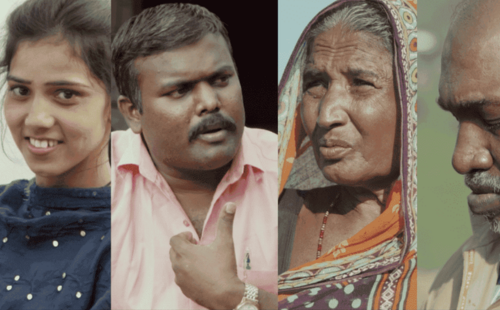
A short documentary series that captures the voices of people from some of India's most climate-vulnerable states. It highlights how people at the grassroots are adapting to the climate crisis.
CEEW and SEI present ‘Portrait of a Silver Lining’ — a poem written and performed to music by Simar Singh, urging bold climate action and accountability to heal our planet.
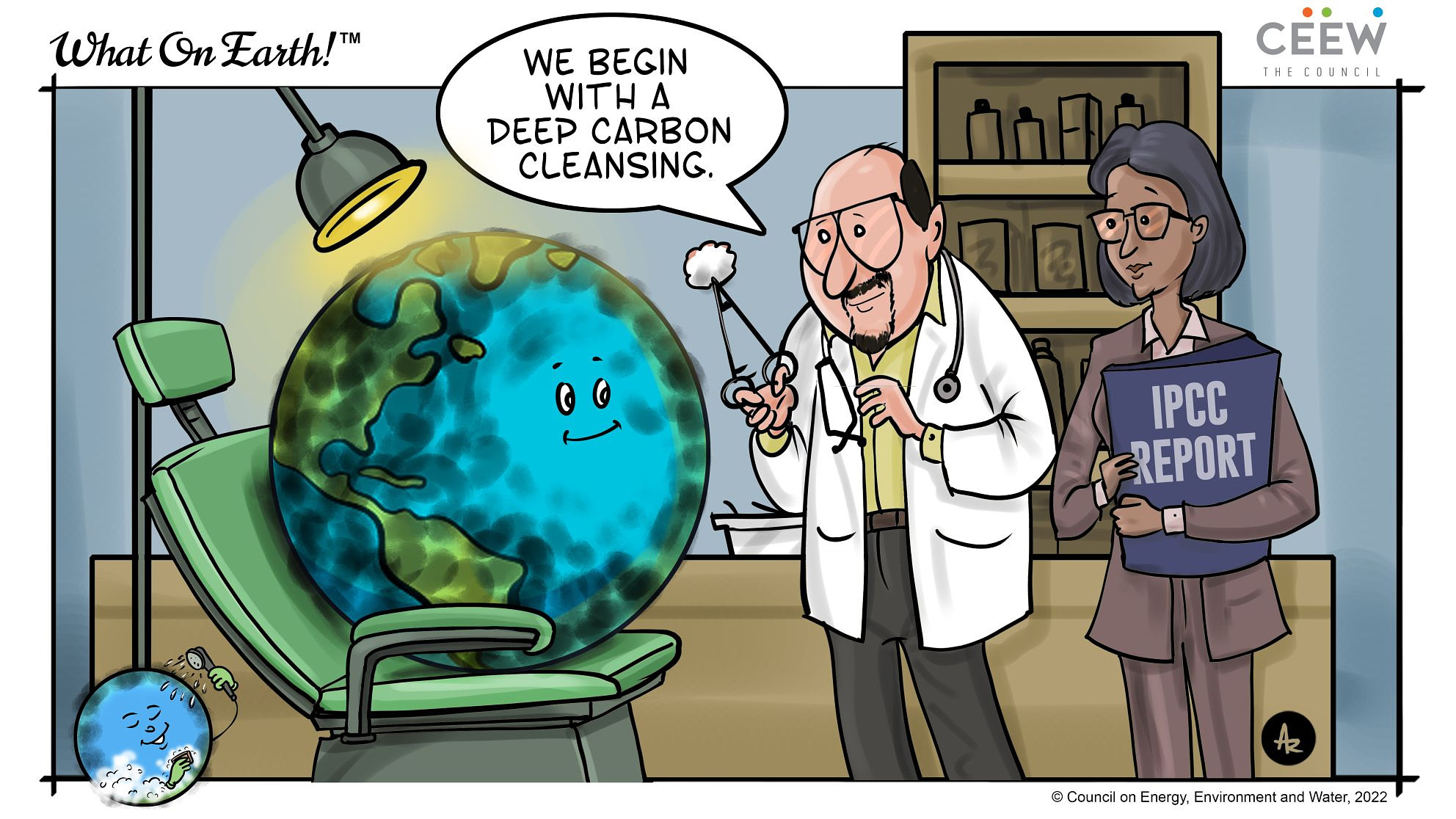
Dedicated to the planet, our Pale Blue Dot, CEEW presents What On Earth!™ A cartoon series on sustainability. On how we are treating the planet and how the planet is treating us back.