Council on Energy, Environment and Water Integrated | International | Independent

At CEEW, we are deliberate about what we stand for (and what we don’t stand for!) as an employer. So, if the below description strikes a chord, we would love to hear from you!
At CEEW, we build careers in public policy
Designation offered
Research Intern
Reporting to
Programme Associate
Duration
3 months
Location
New Delhi
Purpose
To support data-driven research on transmission infrastructure utilisation, with a focus on the feasibility and system-level benefits of utility-scale solar power plants. The research will also focus on the integration of co-located wind power and energy storage systems with utility-scale solar to improve transmission utilisation. The role involves developing a baseline simulation model of a 2-bus power system to assess various operational and planning scenarios, analysing the efficient use of transmission assets, and identifying actionable insights and potential solutions to enhance renewable energy integration and transmission utilisation.
Context
This internship is part of a project to support Gujarat on cost-effective RE integration through research and technical assistance related to transmission infrastructure. As Gujarat rapidly expands its wind and solar capacity, the state faces mounting challenges in optimally utilising its transmission infrastructure due to factors such as congestion, mismatch between generation and demand, and the variability of renewable sources. The project aims to provide research-driven and technically sound support to transmission planners and policymakers by evaluating how existing infrastructure can be better utilised and identifying the technical, regulatory, and operational interventions needed.
A simplified 2-bus power system model serves as a foundational analytical tool. This is a basic simulation representing two key components of a power grid: a generation source and a load center, connected by a transmission line. This model enables a clear understanding of how the integration of wind-solar hybrid systems, colocation of wind and solar plants, and energy storage affects transmission line utilisation. It will simulate a range of operational and planning scenarios at 15-minute intervals, providing detailed insights into transmission utilisation under different renewable energy configurations. This model is a useful starting point to understand how transmission lines are used under different RE scenarios, test the impact of adding wind-solar hybrids, co-located systems or battery storage systems on line loading and explore how time-of-day changes in generation and demand affect transmission utilisation.
Research and technical analysis:
Policy and Stakeholder Engagement:
Selection Criteria
Education:
Key Skills
Compensation:
Competitive compensation – commensurate with the experience and matching the best of standards adopted by the industry or other similar organisations for similar roles.
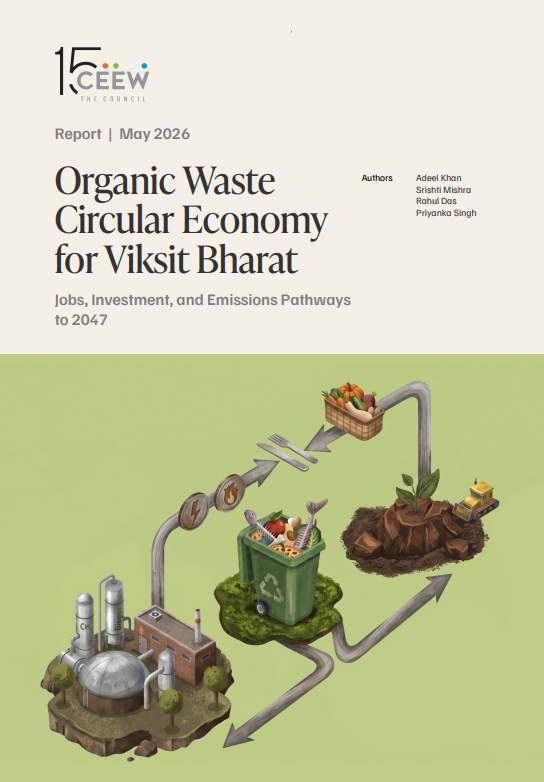
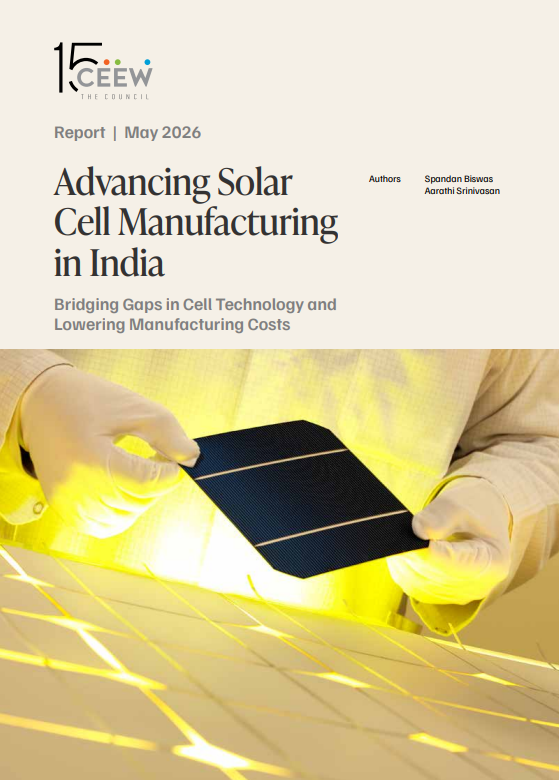
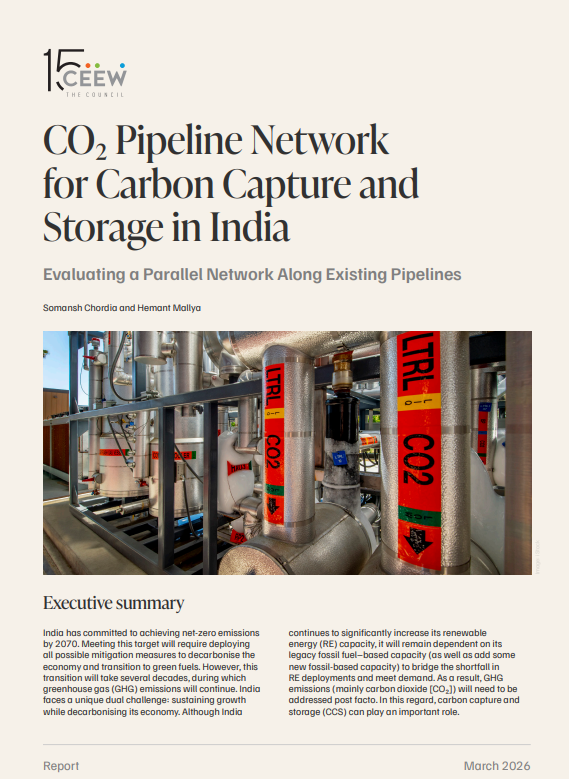
A short documentary series that captures the voices of people from some of India's most climate-vulnerable states. It highlights how people at the grassroots are adapting to the climate crisis.
CEEW and SEI present ‘Portrait of a Silver Lining’ — a poem written and performed to music by Simar Singh, urging bold climate action and accountability to heal our planet.
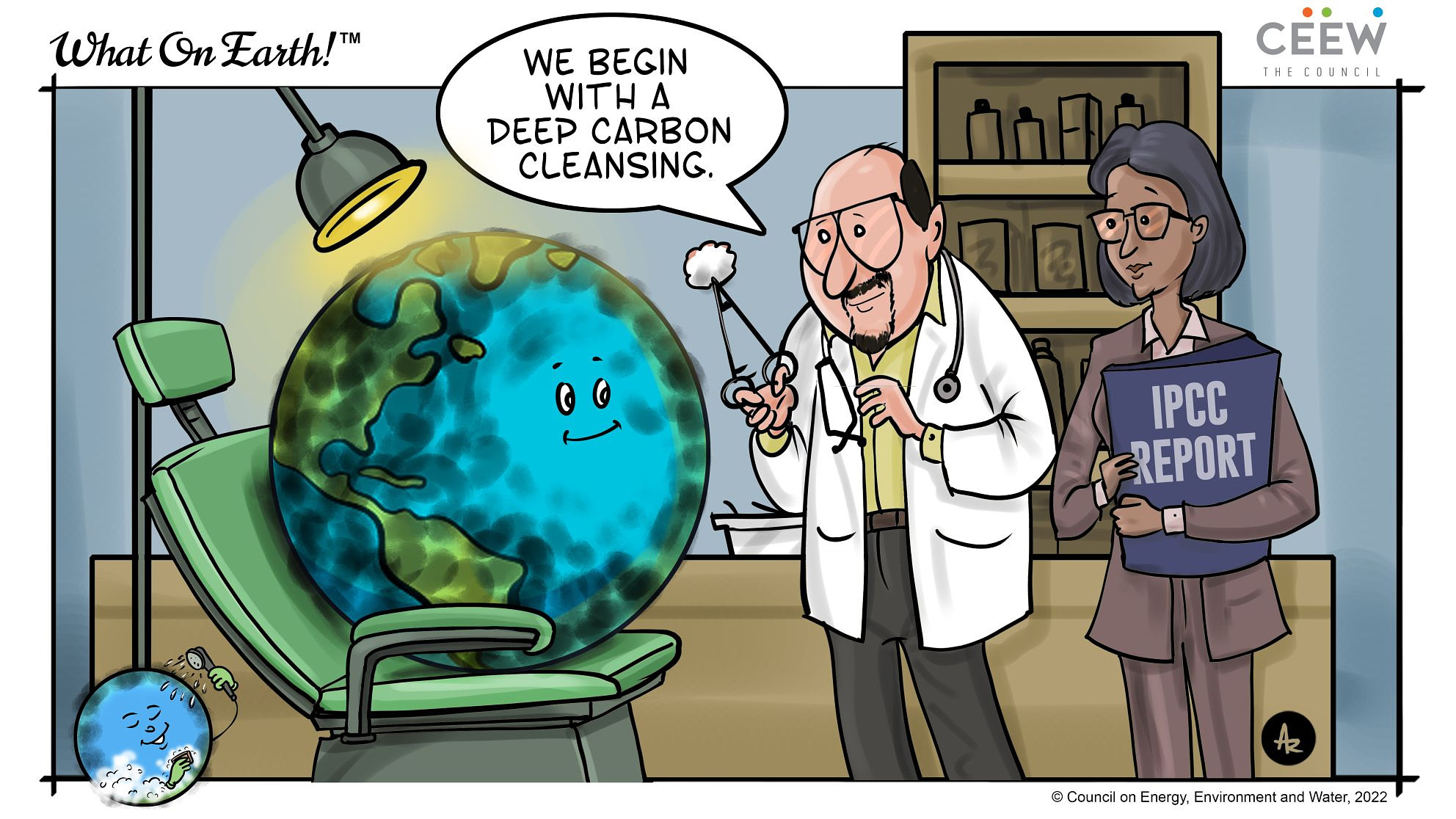
Dedicated to the planet, our Pale Blue Dot, CEEW presents What On Earth!™ A cartoon series on sustainability. On how we are treating the planet and how the planet is treating us back.