Council on Energy, Environment and Water Integrated | International | Independent


Context: The Commission for Air Quality Management (CAQM) has directed states to implement wheat stubble management plans due to a rise in wheat stubble burning across India, signalling a shift in the country’s crop residue challenge.
Key insights: Falling livestock demand, unviable fodder markets, and limited alternatives for residue use are reducing the economic value of wheat straw, making burning the cheapest disposal option.
CEEW recommendation: Targeted interventions—linking fodder markets, improving machinery access, enabling viable biomass use, and designing region-specific policies—are needed to prevent wheat stubble burning from escalating.
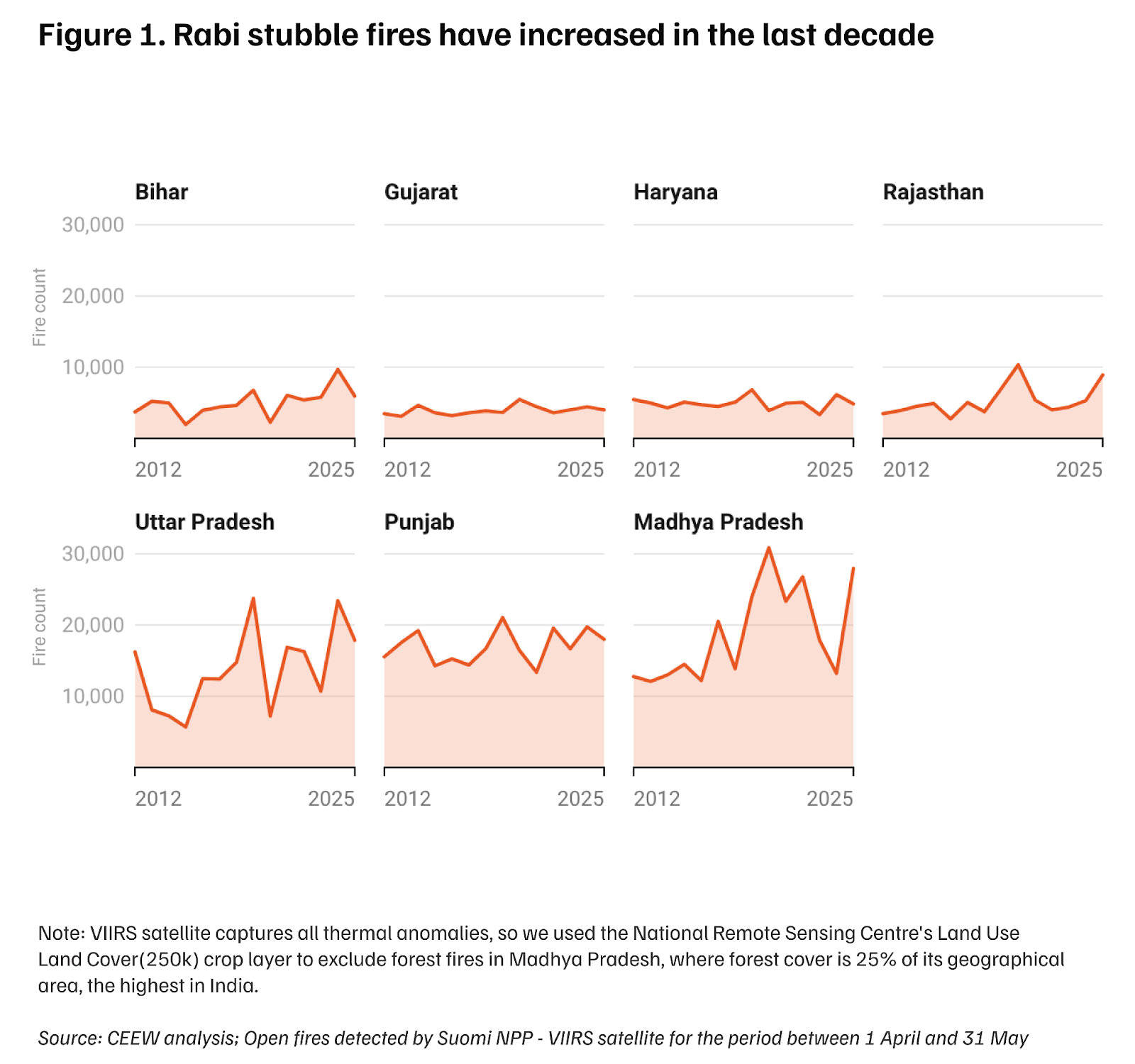
For the first time, the Commission for Air Quality Management (CAQM) in the National Capital Region and adjoining areas has issued an 11-point directive to Punjab, Haryana, Uttar Pradesh, Delhi, and Rajasthan to implement wheat stubble management plans in the upcoming rabi harvest season. Rabi crops (winter/spring crops) are sown in October–December and harvested in March–April, requiring cool climate and irrigation (e.g., wheat, gram, mustard). This is a much-needed intervention as a decadal analysis of satellite-derived fire counts by the Council on Energy, Environment and Water (CEEW) reveals a concerning increase in wheat-residue fires between April and May across many Indian states in the last few years (Figure 1).
The discourse on stubble burning has traditionally focused on kharif crops (monsoon/autumn crops), particularly paddy, which are typically sown in June–July and harvested in September–October, requiring high temperatures and water. Government efforts such as subsidy for machines like Super Seeders, and diverting paddy residue as industrial boiler fuel, for cofiring in power plants and brick kilns, and Parali Protection Force have led to a decline in kharif fires since 2022.
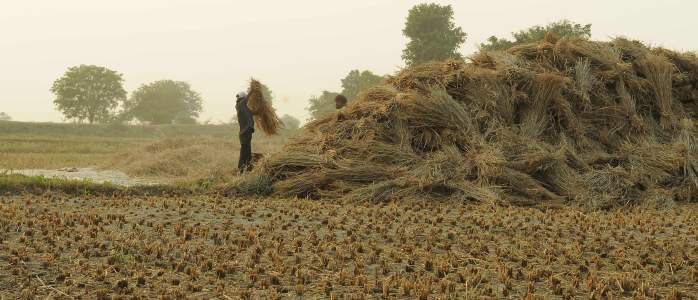
However, the rising incidents of wheat straw burning in states like Punjab, Haryana, Uttar Pradesh, and Madhya Pradesh necessitates a broadening of the scope. Wheat straw was historically valued as livestock fodder, but structural shifts in agricultural practices and livestock patterns have steadily eroded its economic value, pushing farmers to resort to burning. This CEEW blog explores the extent of such burning in northern India and the main causes fuelling this practice.
As part of CEEW’s ongoing state-level engagement on addressing crop residue burning, researchers spoke to farmers across Punjab, Haryana, and Madhya Pradesh in January 2026 to understand the reasons behind the recent spike in wheat stubble fires. While some factors, such as the shift towards mechanical harvesting, which necessitates managing the standing stubble of 10-15 cm after harvest, mirror those seen in paddy residue burning, three other interrelated structural factors also emerged:
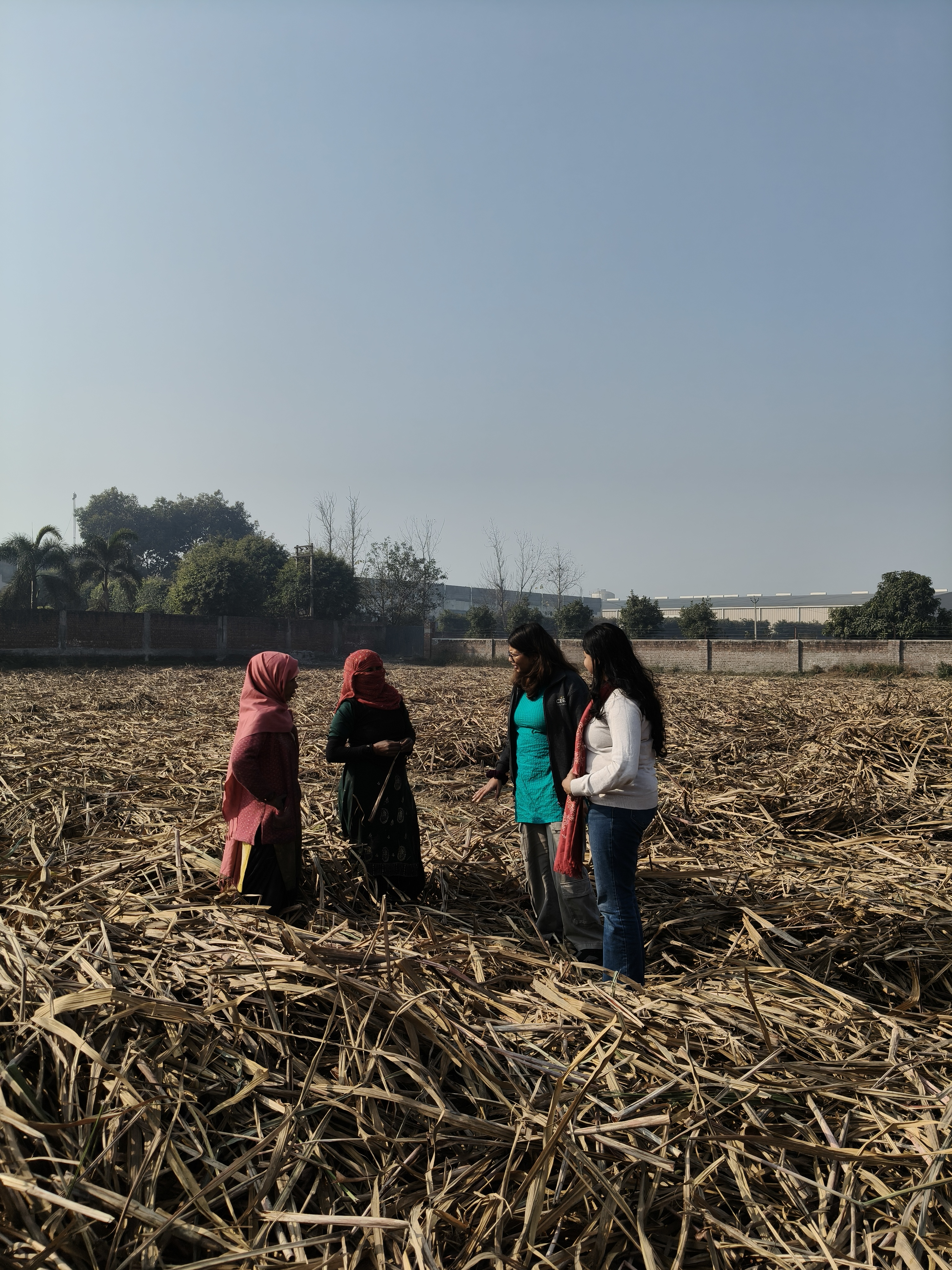
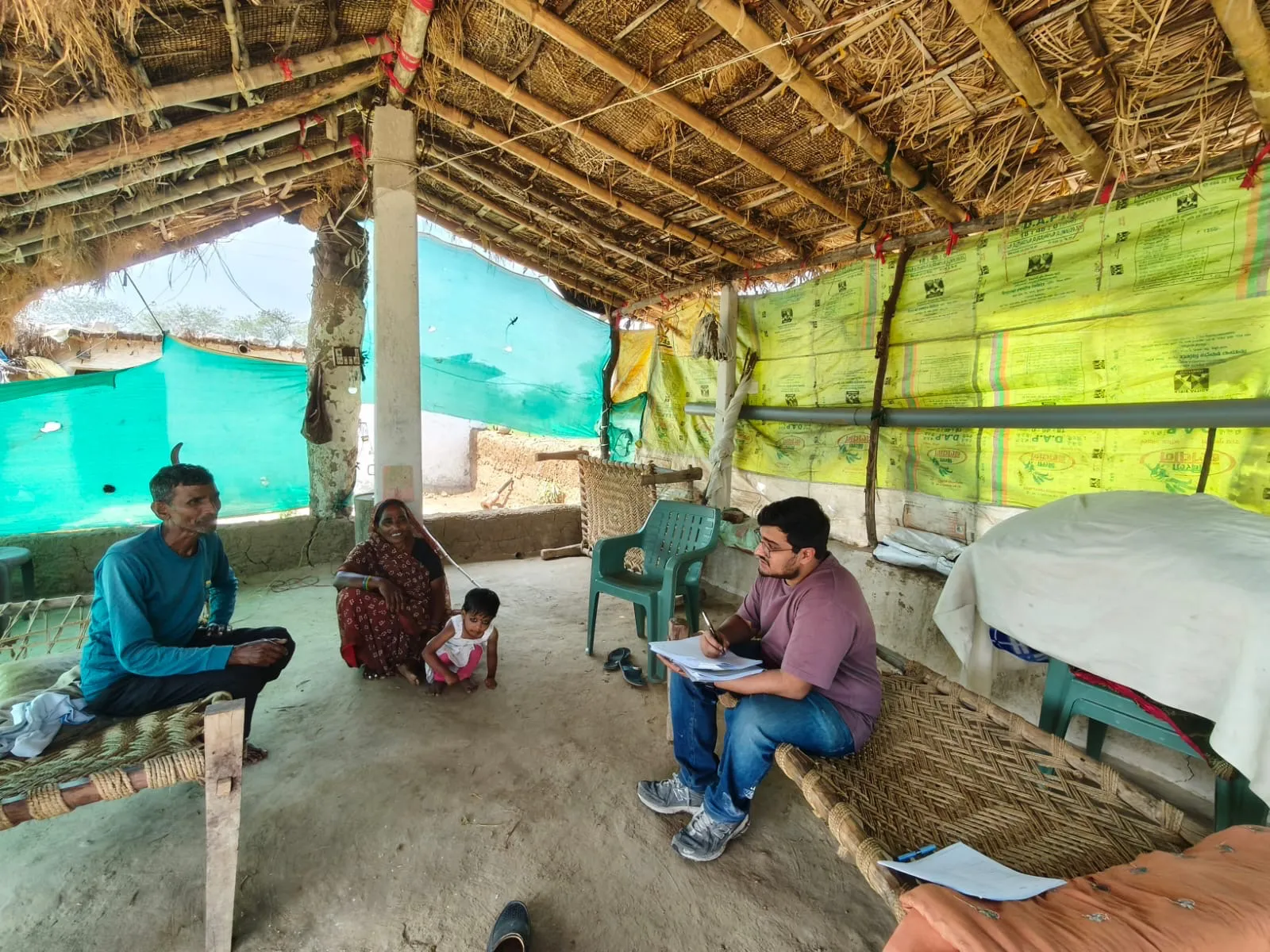
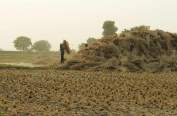
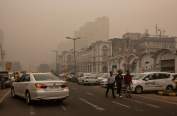
Image 1 & 2. CEEW team on the ground gathering insights and barriers to residue management for wheat, paddy and sugarcane in Gwalior (Madhya Pradesh) and Panipat (Haryana), respectively. Source: CEEW
1. Declining livestock population is creating surplus wheat fodder
Wheat straw is preferred as livestock fodder due to its relatively low silica content (4.5–5.5 per cent) compared to paddy residue (6.18–15.81 per cent). This inherent economic value deterred farmers from burning it. However, this dynamic is changing.
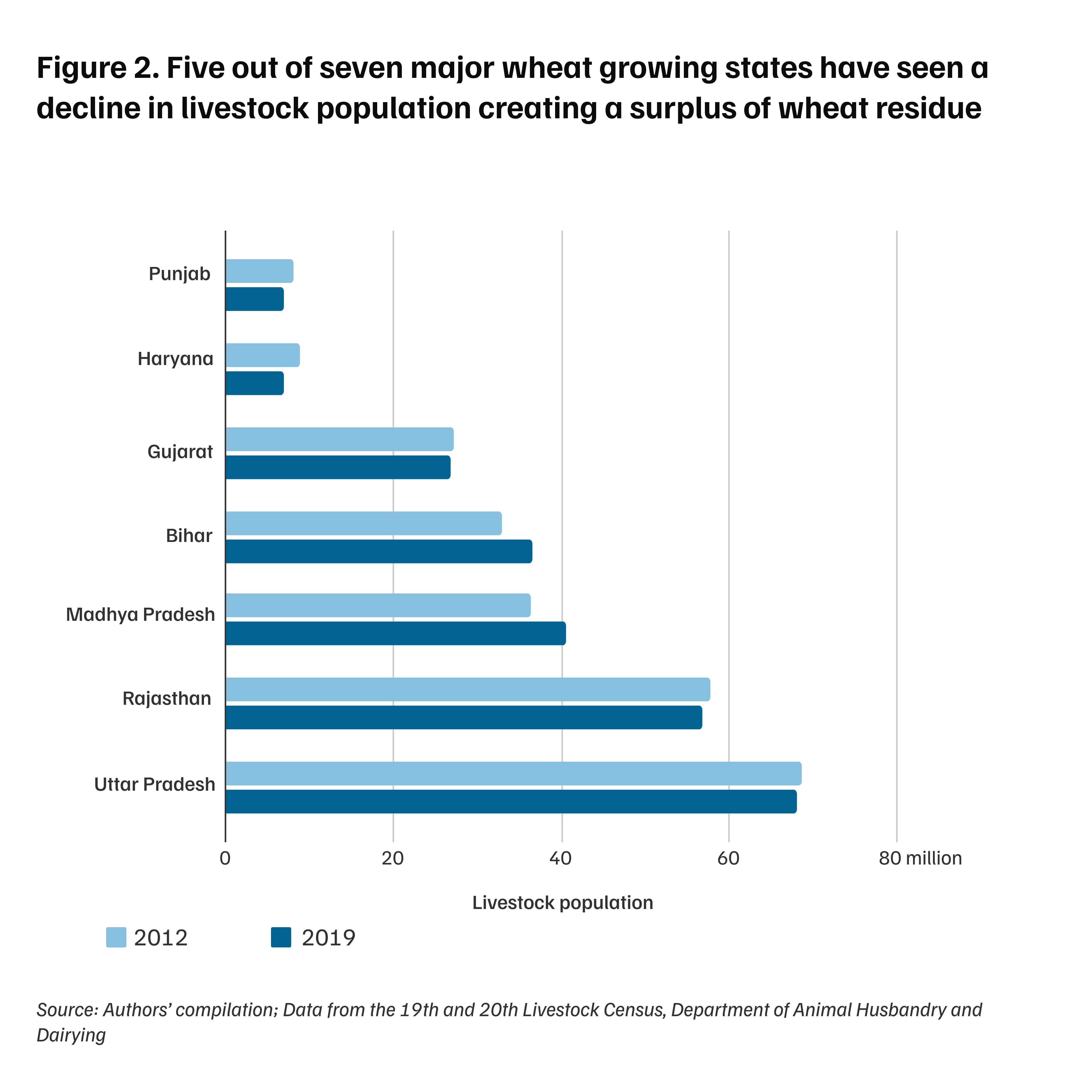
We note that states like Punjab and Haryana have seen reductions of over 13 per cent and 20 per cent, respectively, in livestock populations (Figure 2). This is due to multiple shifts, including rural outmigration, discontinuation of traditional bull ploughing methods, reduced availability of agricultural labour, and unprofitable milk prices. This has led to lower fodder demand, resulting in the accumulation of surplus wheat residue, increasing the likelihood of disposal by burning.
A similar trend is emerging in other wheat-growing states such as Gujarat, Madhya Pradesh, Rajasthan, and Uttar Pradesh. We observe that farmers are increasingly shifting from indigenous cattle—yielding around 3–3.86 kg of milk per day—to higher-yielding crossbred varieties (7.95–9.05 kg/day). Unlike indigenous cattle, which can consume dry roughage such as bhusa (dried wheat straw), crossbred cattle require diets rich in green silage and concentrates, further reducing demand for wheat straw. With the area under wheat cultivation expanding in several of these states over the last decade, the mismatch between rising residue generation and declining fodder demand is likely to intensify.
2. Unprofitable fodder markets are pushing farmers to burn wheat straw
Farmers report that turning wheat residue into animal feed remains the primary way of managing it, but the market is currently constrained by extreme price volatility and weak demand. Prices have generally declined due to a shrinking bovine population and limited industrial demand. While some regions, such as parts of Haryana bordering Punjab, saw a marginal price increase in 2025 due to flood-related regional shortages, these remain exceptions.
Historically, fodder rates have reached as high as INR 600–700 per quintal, and even up to INR 1,000 during high demand and off-season. But prices during the rabi harvesting season (April – May) have now fallen below the INR 250–280 per quintal production threshold (including labour and storage), leaving farmers unable to recover costs. As a result, surplus wheat straw is often burnt as the cheapest disposal option. Interventions such as silage—improving the availability of green fodder like maize, which is rich in protein and moisture, and essential for milk yield—and ration-balancing programmes that promote balanced animal nutrition have further encouraged a shift away from traditional feeds like wheat residue.
3. Limited viability of alternative uses constrains wheat straw management
In addition to being widely used as fodder, wheat straw is also suitable for energy production. For instance, torrified wheat straw pellets can achieve a heating value of approximately 29.78 MJ/kg, which is almost equivalent to coal (25–35 MJ/kg). However, logistical and economic limitations restrict its large-scale use. Wheat straw baling faces high collection losses of 41.12 per cent (compared to just 18.40 per cent for paddy) and produces lower bale density, making it less attractive for biomass aggregators. Wheat also generates lower residue volumes (1.5 to two tonnes per acre) than paddy (two to three tonnes per acre), raising per-unit baling costs. Field interactions with biomass aggregators confirm that wheat straw is significantly less profitable to handle.
Operational challenges further compound this problem. The wheat harvest season (April–May) coincides with high temperatures, which makes using any machinery more difficult. Since the straw is significantly drier, it increases the risk of accidental fires during collection, transport, and storage from electrical sparks or tractor exhaust.
Addressing these challenges requires targeted policy and market interventions to make non-burning disposal a financially viable option for farmers. To this end, state governments could:
Wheat residue burning is a manifestation of deeper structural shifts in India’s agrarian economy. The recent rise in wheat straw fires signals an urgent need for targeted intervention. Addressing it now, before it reaches the scale of the paddy stubble burning crisis, is both feasible and imperative.
Kurinji Kemanth is Programme Lead, Ayushman Saboo and Srishti Jain are Research Analysts at the Council on Energy, Environment and Water (CEEW). Send your comments to kurinji.selvaraj@ceew.in




Add new comment