Council on Energy, Environment and Water Integrated | International | Independent

India has committed to a net-zero target by 2070, with imminent ambitious decarbonisation targets by 2030. Simultaneously, we need to create ~90 million non-farm jobs by 2030. There is both a need and potential for climate action to generate a large number of jobs and fuel economic growth. However, to realize the full potential of the emerging green industries and value chains at pace, the supporting ecosystems around them also need to be developed. (By ecosystem here, we refer collectively to all the enabling and supporting stakeholders and systems that can impact a value chain, including but not limited to policy making, finance & investment, market linkages, technology and R&D).
We have launched a new programme, “Green Economy Accelerator” (GEA), that aims to accelerate the ecosystems around various emerging green value chains to unlock their economic, employment, and environmental potential rapidly. One of the prime ways in which GEA would enable this ecosystem acceleration is by identifying and supporting the “ecosystem catalysts” (individuals or organisations) who champion building an ecosystem. The support would include access to capital, technical assistance, mentorship, advisory, network access, etc.
One of the value chains we will be initiating this programme will be Regen-Agri-Entrepreneurship, and we are looking for an ecosystem catalyst who has already been trying to catalyse the sector in some ways and whom we can further support and add a direction to their efforts.
The SOW below details the expected scope of service for Phase 1 (Discovery Phase) of Ecosystem Acceleration for the Regen-Agri-Entrepreneurship Ecosystem.
Submission: We are seeking proposals from interested catalysts by EOB on 03/03/2026 as follows at the email address: greeneconomy@ceew.in
Important to note that this role and TOR is not to seek for competing proposals but to seek that one entity whom the sector feels can best represent the sector and form collaborations within.
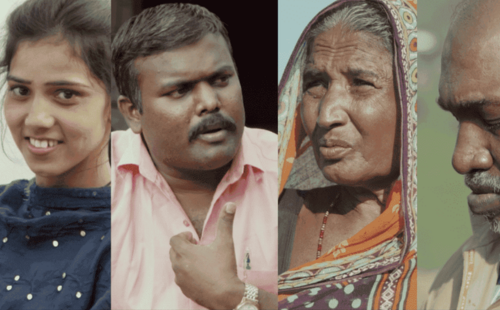
A short documentary series that captures the voices of people from some of India's most climate-vulnerable states. It highlights how people at the grassroots are adapting to the climate crisis.

CEEW and SEI present ‘Portrait of a Silver Lining’ — a poem written and performed to music by Simar Singh, urging bold climate action and accountability to heal our planet.
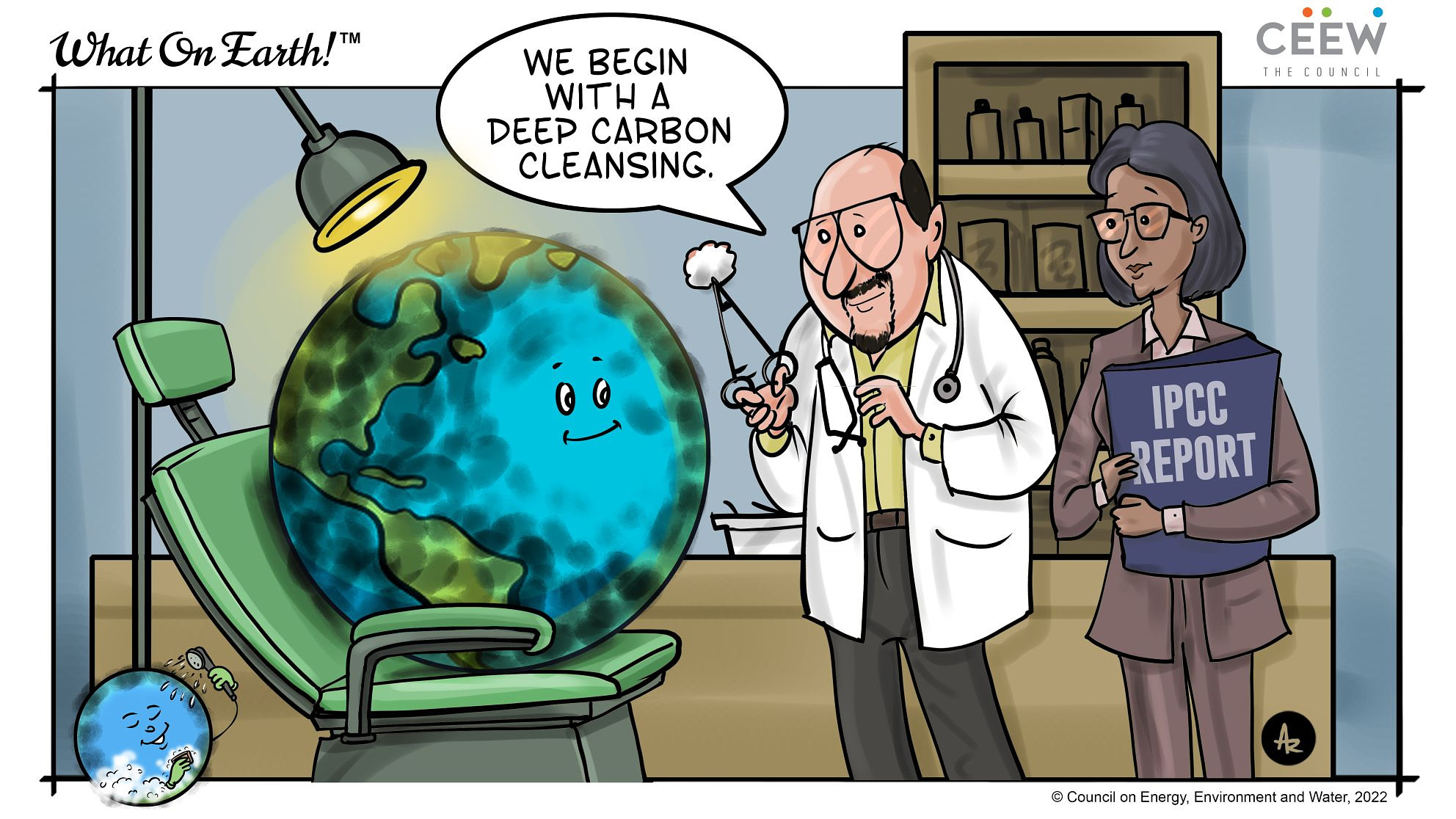
Dedicated to the planet, our Pale Blue Dot, CEEW presents What On Earth!™ A cartoon series on sustainability. On how we are treating the planet and how the planet is treating us back.