Council on Energy, Environment and Water Integrated | International | Independent

In India, fossil fuels account for over 80% of the total energy mix, with coal being the single largest energy source. As the country strives to achieve its net-zero emissions goal by 2070, shifting from coal to renewable energy (RE) presents both opportunities and challenges. CEEW proposes to conduct a study, to evaluate the macroeconomic importance of coal and analyze the impacts of increased investments in both coal and renewable energy. The proposal is to work with a consultant who is an expert in using the Computable General Equilibrium (CGE) framework and tailoring the assessment to incorporate specifics and details of India’s power sector. The study aims to provide evidence-based insights into the future of India’s energy sector, considering multiple policy scenarios of coal-to-renewable transition.
To achieve the objectives mentioned above, CEEW is inviting bids from economic modelling firms/ research institutions (hereinafter referred to as “Service Providers”) with sufficient experience and credentials in performing CGE modelling.
Please note that each of the above activities needs to be documented in detail and shared with CEEW at appropriate intervals.
The service provider will be required to submit the following deliverables with expected timelines:
|
S.No. |
Activity |
Schedule of activity |
|
1 |
Last date to submit the proposal and the quotation |
10 Dec 2024 |
|
2 |
Onboarding of the service provider and signing of contract document |
16 Dec 2024 – Date of Award (DAC) |
|
3 |
Data collection and preparation of baseline |
21 days from DAC |
|
4 |
Inception report |
21 days from DAC |
|
5 |
Model calibration |
35 days from DAC |
|
6 |
Scenario analysis |
49 days from DAC |
|
7 |
Session and hands-on training |
52 days from DAC |
|
8 |
Verification of results by CEEW and submission of comments and feedback to the service provider |
63 days from DAC |
|
9 |
Draft report completion |
77 days from DAC |
|
10 |
Final report dissemination |
90 days from DAC |
Please Note:
We seek a detailed proposal and quotation by 11:59 p.m. on 10 Dec 2024, at the following emails: karthik.ganesan@ceew.in and tarun.mehta@ceew.in
The service provider will be evaluated based on the following criteria:
All intellectual property rights related to the baseline and model results created for this project will belong to CEEW.
The service provider will be required to maintain confidentiality regarding all information and data related to the project.
The contract will be awarded based on a competitive bidding process. CEEW reserves the right to reject any or all proposals without assigning any reason whatsoever. Upon the successful award of the project, the service provider will be required to sign a contract with CEEW.
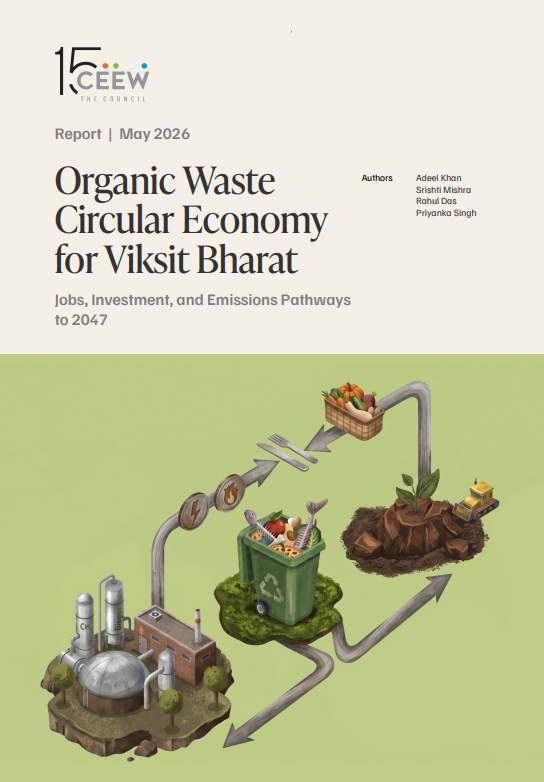

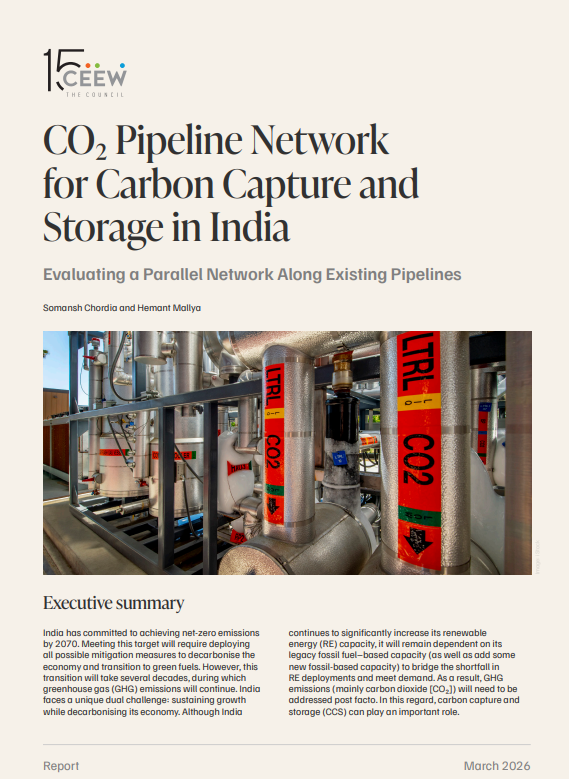
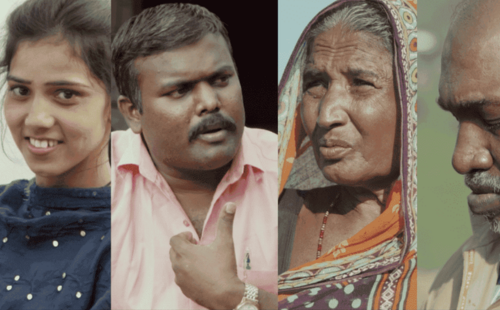
A short documentary series that captures the voices of people from some of India's most climate-vulnerable states. It highlights how people at the grassroots are adapting to the climate crisis.
CEEW and SEI present ‘Portrait of a Silver Lining’ — a poem written and performed to music by Simar Singh, urging bold climate action and accountability to heal our planet.
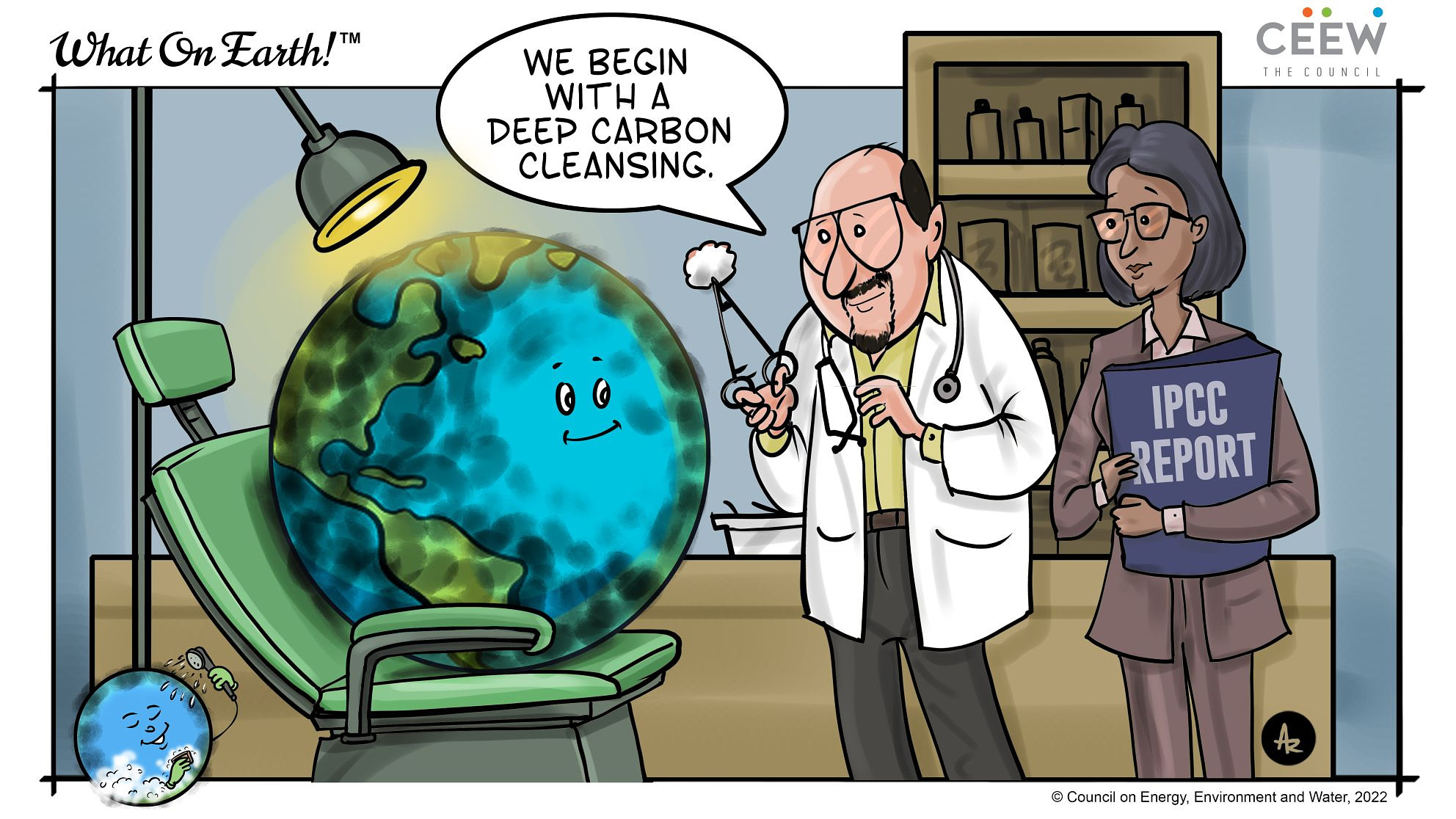
Dedicated to the planet, our Pale Blue Dot, CEEW presents What On Earth!™ A cartoon series on sustainability. On how we are treating the planet and how the planet is treating us back.